


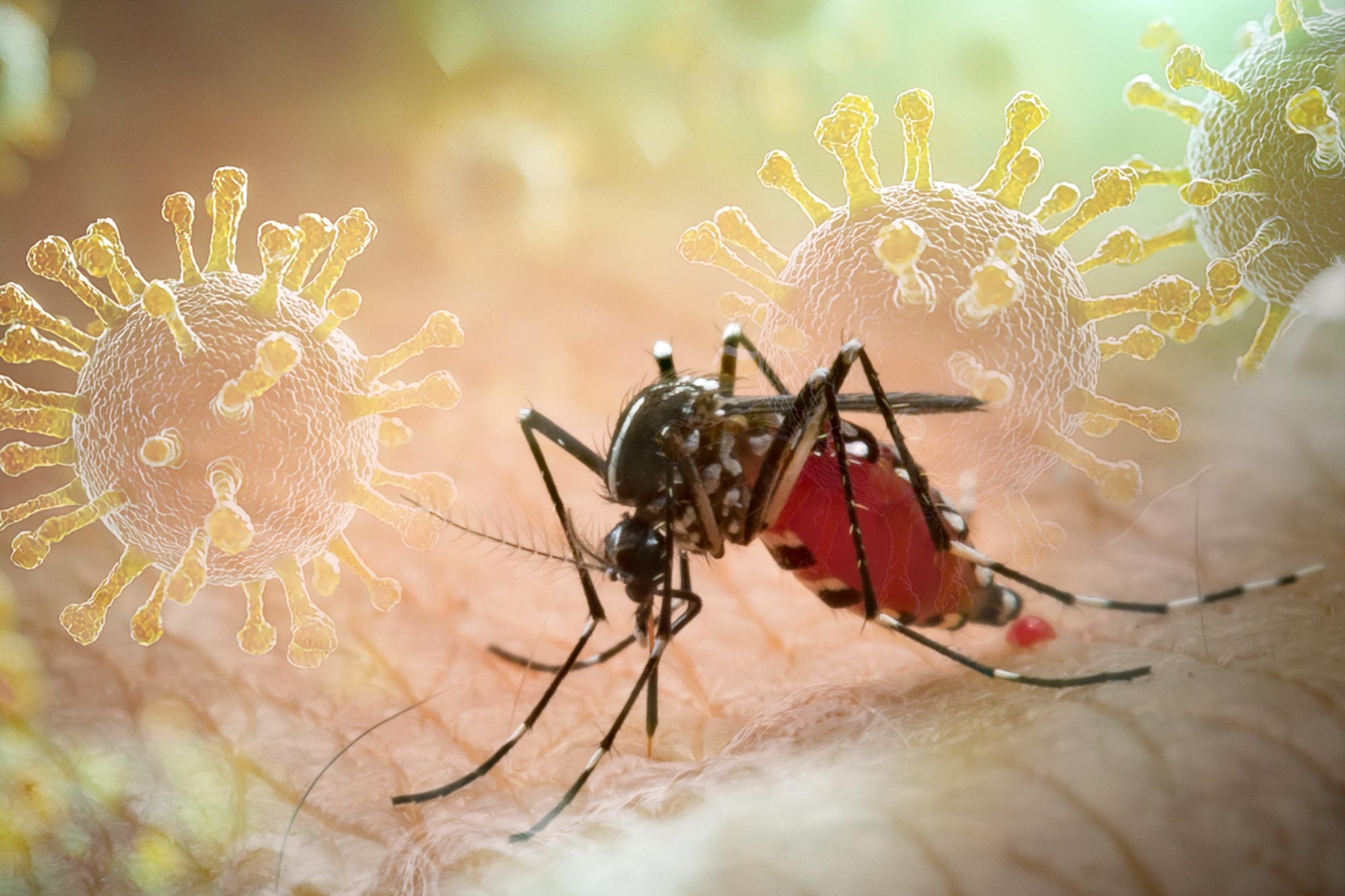
Southern China is battling its worst chikungunya outbreak on record, fueled by mosquitoes and changing environmental conditions.
An editorial published in Biocontaminant highlights that Guangdong Province is now facing the largest chikungunya fever outbreak ever documented in China. Since late July, health officials have confirmed more than 4,000 infections. The majority of these cases, over 3,600, have been reported in Shunde District of Foshan, while additional cases have emerged in Guangzhou, Shenzhen, Hong Kong, and Macao.
Chikungunya fever is caused by the chikungunya virus, an RNA virus belonging to the Alphavirus genus in the Togaviridae family. It is spread through the bites of infected Aedes mosquitoes (primarily Aedes aegypti and Aedes albopictus), which are also known carriers of dengue and Zika viruses.
The illness typically begins with sudden high fever and severe joint pain, often accompanied by rash, headache, and muscle aches. Unlike diseases that spread directly between people, chikungunya requires a mosquito vector, making effective control of mosquito populations the most important strategy for prevention.
“The outbreak reflects both the global spread of chikungunya and the favorable conditions for mosquito-borne diseases in southern China,” said lead author Guang-Guo Ying of South China Normal University.
Control Measures and Contributing Factors
Authorities have launched a province-wide campaign urging residents to remove stagnant water and reduce mosquito breeding sites. The editorial also stresses that climate change, urbanization, and global travel are expanding the reach of arboviruses worldwide, posing growing public health challenges.
The World Health Organization has recently introduced updated clinical guidelines and reinforced its Global Arbovirus Initiative to strengthen monitoring, prevention, and coordinated response. The authors call for investment in genomic surveillance, community engagement, and international cooperation to mitigate future outbreaks.
Reference: “Outbreak of chikungunya fever in Guangdong: transmission and control of arboviruses” by Guang-Guo Ying and Yi Luo, 11 August 2025, Biocontaminant.
DOI: 10.48130/biocontam-0025-0002
Never miss a breakthrough: Join the SciTechDaily newsletter.
Follow us on Google, Discover, and News.
Click the Source link for more details
